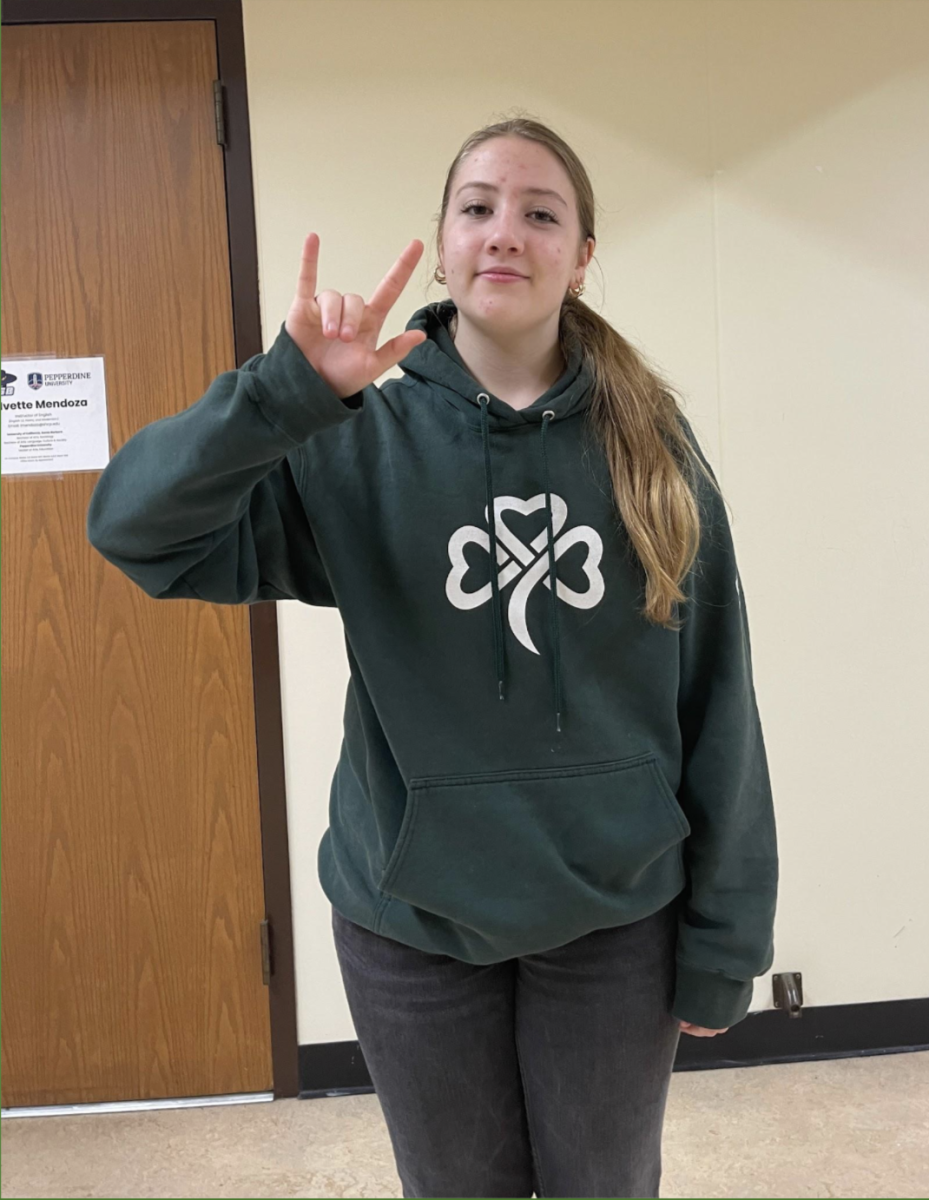
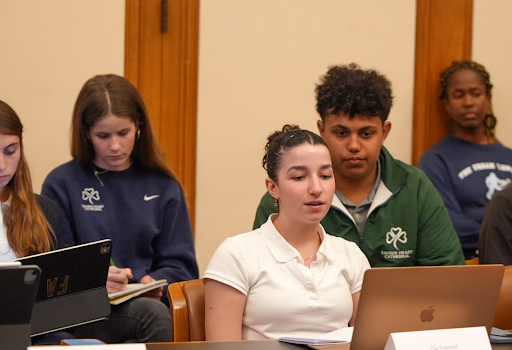
On Friday, May 1st, the Sacred Heart Cathedral news publication, the Emerald, had the exciting opportunity to attend a student-organized press forum for local high school publications at City Hall. Juniors Brandon Meis, Vivi Seevers, and Siena Larkin all attended as representatives for the Emerald and were able to ask one question to a panel of San Francisco representatives, including Fire Department Chief Dean Crispen, the mayor’s Press Secretary and Senior Communications Adviser Charles Lutvak, and Alicia John-Baptiste, who is the Chief of Infrastructure, Climate, and Mobility (Transportation). After a long afternoon at City Hall, the Emerald, along with nine other high school publications, came away with a lot of insightful information and an unforgettable experience.
Upon entering the room, the Emerald sat among a talented group of peer student journalists who represented unique and diverse communities from each of their respective publications. Beyond what the Emerald addressed, the nine other schools raised important questions. Touching on issues such as transportation, funding cuts, public health, and SFUSD, the panelists gave insightful and detailed responses. Having representatives for Mayor Lurie on the panel, such as Charles Lutvak, the mayor’s Press Secretary and Senior Communications Adviser, meant that Mayor Lurie’s efforts were presented in the lineup in a very candid manner.
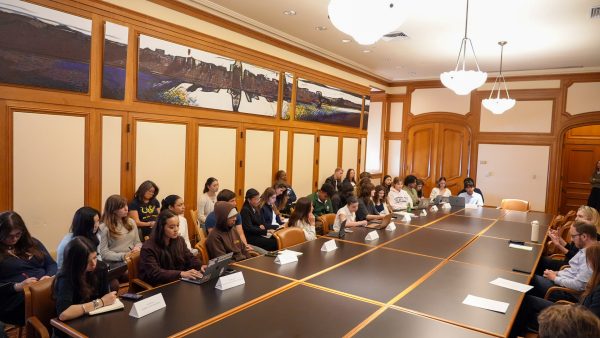
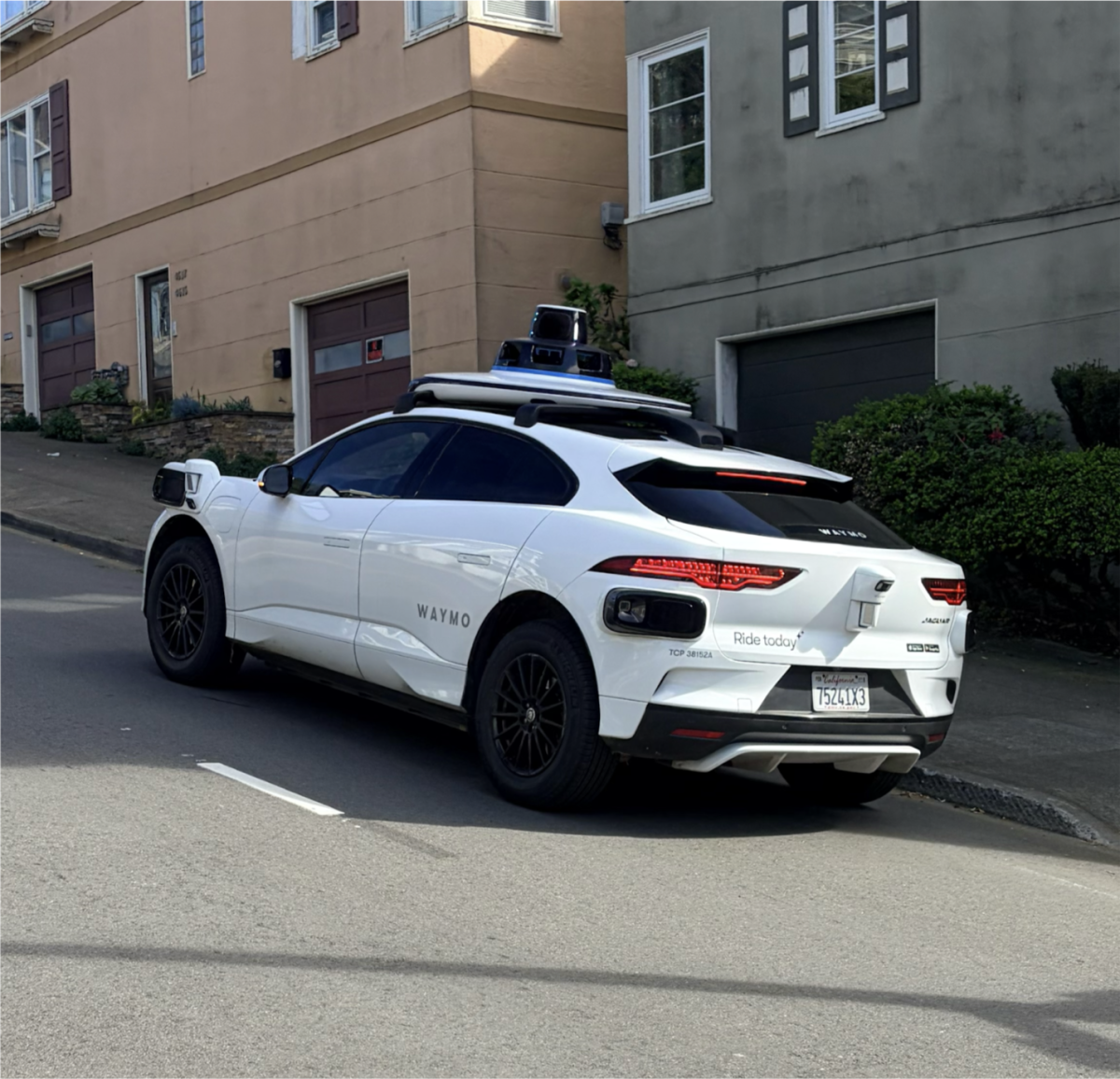
One of the core themes raised in the forum was funding. This came in the context of public transit, sustainability, resources for the vulnerable, and investments in the future. When asked about transit cuts by Abraham Lincoln High School’s publication, the Lincoln Log, Ms. John-Batiste answered by addressing the public transit deficit, which is affecting all transit systems, not just Muni. Within the three-part plan proposed by the SFMTA, she put out that they need to “take every measure that we could immediately to make sure that we kind of reduce the size of the deficit as much as we could without cutting transit service. And so that meant reorganizing the way that Muni operates to take some of the cost out of the system.” The plan also included efforts to raise sales tax for funding for the transit systems, followed by an “emergency intervention” to figure out how to save money in the following years, rather than going in a backward direction.
When it came time for the Emerald to ask their question, the team went in the direction of public safety. It was important to the Emerald team that the question they asked had a relevant topic, but also allowed the panel to answer with current information about the city and its efforts for improvement. With a focus on San Francisco safety, Siena Larkin began by addressing the shutdown of the emergency sirens that rang through SF before 2019. She then connected the question to how disaster response is addressed now with Tsunami threats and possible foreign attacks.
Chief Crispen took the lead in answering the question and said, “I remember [growing] up in San Francisco, and at twelve noon on Tuesdays, that siren would go off, and it was somewhat comforting to know, but I think [new] technology will replace that. And the use of drones is still evolving, but I think that’s really going to be helpful.” He outlined a new city initiative called the real-time investigation center, or RTIC Program, which highlights new emergency response drones that launch from SFFD stations to warn residents of a possible disaster or dangerous situation alert, as well as steps to keep as many people safe as possible. He clarified how the Tuesday Siren system was “outdated,” but he believes the use of these drones will lead to a greater feeling of safety in San Francisco, and even relates their use to a 25% decline in crime rates.
With around thirty other students, eight questions, and a limited amount of time, each representative had to be direct and hope for clear and in-depth answers, as there was no room for follow-up questions or further engagement with specific topics. The panel of San Francisco representatives offered many great answers and never attempted to veer away from a topic, even when it may have prompted them to speak about a subject that was controversial in the city government.
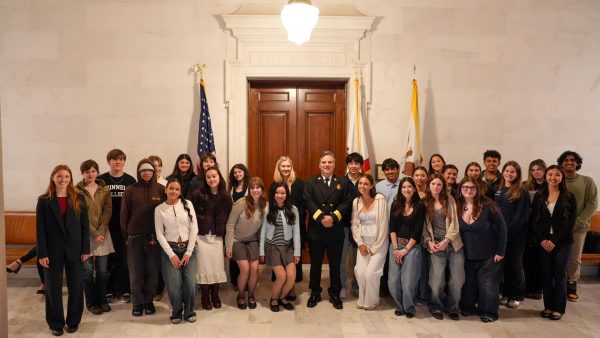
Though nine schools were in attendance, it was surprising to see that there weren’t more. This may have been on account of the last-minute changes to the panel of San Francisco representatives, or the fact that a majority of high schools in San Francisco do not have student publications or journalism programs.
Overall, the Emerald and SHC as a whole were given an amazing opportunity to interact with important figures in the San Francisco city government and form a better understanding of not only how the city functions and attempts to solve current issues, but also how local government figures interact with the youth in their community. Even with the pressures of time and other questions, every student in the room came ready with a genuine desire to make their voices heard, speaking for themselves and their communities, and hoping to learn more about the inner workings of their city.