
Around SHC, you might have seen occasional posts on Schoology about programs called Academic Explorations, or AEs; however, many students might not know what they are. Academic Explorations are classes that occur outside of SHC’s regular curriculum, encouraging students to take intellectual risks and go outside of their comfort zone.
Each summer, fall, and spring term, new AEs are offered. Each 20-hour class meets outside of the regular school day, whether that is before school, after school, or on the weekend. They have a wide range of subjects, from humanities, the arts, science, environmentalism, finance, law, and more. Depending on the subject, some AEs even include field trips. These unique experiences, such as pottery-making or attending a Model UN conference, help to expand both the way SHC students learn as well as their pool of knowledge. Additionally, by allowing students from all grades to enroll in these classes outside of class, they foster inter-grade cooperation and encourage curiosity and cooperation outside of a traditional school environment.
A key part of each AE is their teacher. Oftentimes, they are taught by SHC teachers who are passionate about a particular subject and want to share their knowledge with an enthusiastic group of students. That being said, an AE teacher can really be anyone with expertise or passion in a certain subject. Mr. Aguilar is one of SHC’s many teachers who has led four AEs, including one this semester called The Hunger Games: Allegory and Oppression. In this AE, students look at how the films compare to real-life political systems, inequality, and resistance movements through discussions, writing, and guided reflection activities. Through these AEs, Mr. Aguilar is able to focus on parts of history and society that aren’t typically part of a set curriculum. Especially in his movie-based Academic Explorations, Mr. Aguilar can use “other types of content, media, and vehicles, which I usually wouldn’t be able to use in my classes” to teach new ideas to students in an inventive way.
AEs are open to the whole student body, but they are required for some. As part of the De Paul Scholar program, each scholar is required to take at least three AEs throughout their four years of high school. Additionally, each Inquiry and Innovation Program (i2) Scholar participated in the i2 AE throughout their freshman, sophomore, and junior years. With a different theme for each grade level, i2 students research and create a project over the course of a year, before presenting it at the i2 Showcase in the spring.
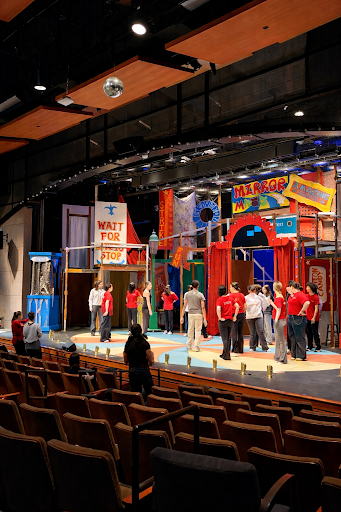
The Emerald asked students about their experiences with SHC’s AEs, and they received overall very positive feedback. Emily Lombardini ‘28 participated in an AE last year with Ms. Norland called Exploring Live Theater, where students watched a diverse range of plays and musicals at local SF theaters. Her favorite thing about this AE was “how everyone joins together outside of the classroom and embraces the different things SHC’s community has to offer.”
Ultimately, AEs have the power to unite students across grades in an exciting topic outside of the pressures of school, whether it’s a topic they know very well or a topic they have never heard of before. This interdisciplinary approach to learning is so unique and turns into such a fun education experience, so make sure to sign up for an AE the next time one catches your eye!